

When Jonathan Song arrived at City of Hope Presbyterian Church in Columbia, Maryland, the congregation was at a crossroads. Attendance had dwindled and the future felt uncertain. It wasn’t the ministry scenario most seminary graduates envision. But for Song (MDiv 2015, RTS Washington D.C.), it became the setting where God would bring about something extraordinary: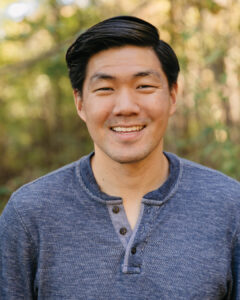 new life from what looked like an ending.
A Foundation Built to Last
Song’s years at the Washington D.C. campus gave him more than academic preparation. “RTS gave me a theological foundation that was both timeless and timely,” he reflects. “Timeless in the truths of a Reformed framework that serves as a foundation of ministry; timely in the way these truths are applied.”
That blend of conviction and adaptability proved essential for the work ahead. The professors at RTS, Song says, modeled something he would need to carry into his own pastorate: genuine care for people in hard places. “I’ll never forget their pastoral care for me during seminary, that continues to inform my ministry today.”
Breathing Life into a Weary Church
At City of Hope, Song leaned into what he’d been trained to do: preach the Word, pray, and shepherd. “Since becoming a pastor, I’ve learned that I can only be effective if I first devote my time primarily to God’s Word and prayer,” he says.
Rather than importing the latest growth strategies, Song applied the Christ-centered, grace-driven approach he’d absorbed at RTS. In a multi-ethnic congregation, the ability to hold fast to Reformed essentials while adapting in form has been critical. He describes it as “the essence of the Reformation that adapts to many forms,” a skill that continues to pay dividends.
Through faithful, steady ministry, what was once a congregation facing an uncertain future has become a vibrant and growing community, a living picture of the resurrection hope that defines the Christian faith.
Relationships That go the Distance
One of the unexpected blessings of Song’s journey has been the lasting relationships with his RTS professors. “These relationships continue to grow beyond just instruction, but reflect a deep care for my long-term health and ministry,” he says. Some are now colleagues in the PCA, others remain mentors.
It’s a picture of the kind of community RTS aims to build, one that doesn’t end at graduation.
Away from the pulpit, Song enjoys spending time with his growing family (wife Paige, son Calvin, and daughter Sophia) along with finding new food adventures and gaming. His life verse captures the heart behind it all: “I do not account my life of any value nor as precious to myself, if only I may finish my course and the ministry that I received from the Lord Jesus, to testify to the gospel of the grace of God” (Acts 20:24).
For Those Still Preparing
Song’s advice to current RTS students is relational: “Try and create as many opportunities to sit under the learning tree of the instructors outside of the classroom. You’ll learn just as much from them in those environments as you will in the study room.”