Over the past 10 years, theological education in North America has shifted ground extensively. Institutions have been plagued by enrollment declines, internal dissension, and leadership transitions. Moves away from traditional, on-campus education to new delivery systems have led some seminaries to downsize and re-envision how spiritual formation happens. Many churches have questioned the historic seminary model, preferring to do theological education and ministerial preparation in-house with varying degrees of success.
 Against that darkening backdrop, Reformed Theological Seminary has stood out against nationwide trends as an example of the continuing validity of residential theological education done from a robustly confessional framework. What accounts for this success that RTS has enjoyed? Surely, a key factor is the leadership that RTS has received over the past decade from
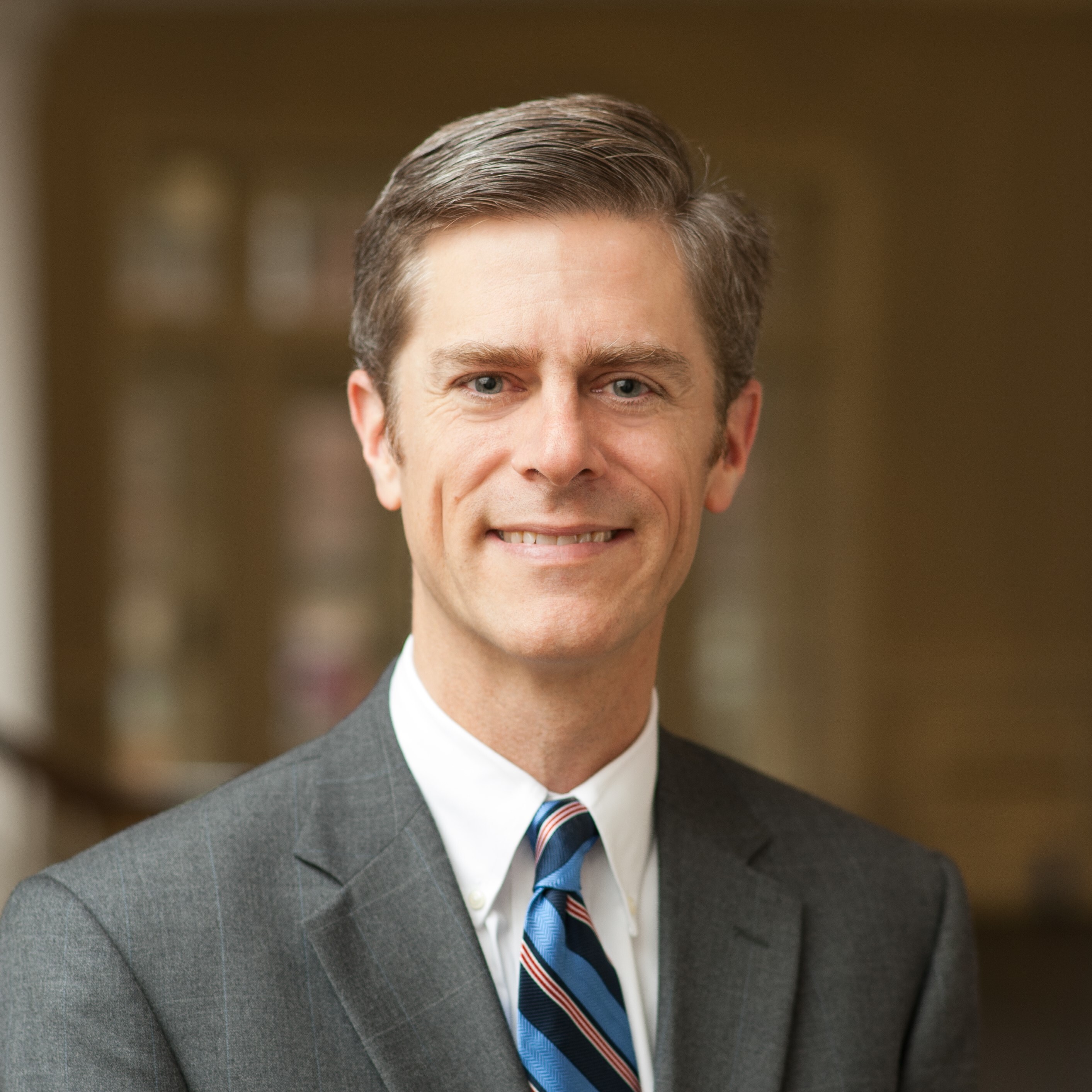
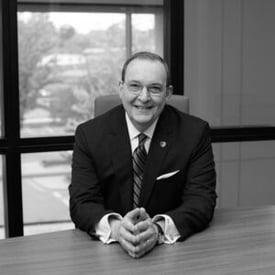
Dr. Ligon Duncan, Chancellor and Chief Executive Officer and John E. Richards Professor of Systematic and Historical Theology. Duncan has served RTS as a faculty member since 1990 and in his present role since 2013. Dr. Duncan is quick to recognize that he has built on a solid foundation. Several of the significant initiatives that have led to RTS’ continued vitality were begun under the leadership of his predecessor,
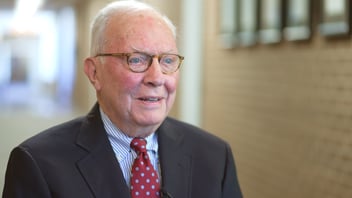
Dr. Ric Cannada. These initiatives and projects constitute vital factors for the present health of the institution.
 In a similar fashion, RTS also seeks to extend theological education in some of the fastestgrowing emerging cities in the world. Through its campuses in
Dallas and
Houston, Texas, RTS works through partnerships with leading churches, including Christ Presbyterian Church in Houston, to train pastors and leaders in those locations. Continuing to provide residential theological education through its distributed model allows RTS to support enrollment in a sustainable fashion. In addition, the faculty resources of the entire institution can be accessed by students throughout the RTS system through RTS Global as well as through faculty travel and engagement.
 In 2018, the entire faculty voted to synchronize the various campus curriculums to ensure that each student pursuing a degree at a particular campus had the same sequence of courses. While students are still required to take a certain number of credits at their “home” campus, the net effect of this change was to unlock the resources of the other campuses to each student. The whole faculty is now available for RTS students, regardless of location. Three years later, a strategic plan approved by the RTS Board of Trustees sought to ensure that the same unity and sense of mission that faculty have would be extended to administrators and staff. Through a streamlined senior leadership structure and an intentional human resources development plan, the desire is for administrators at every level of the institution to understand how their role advances the mission, vision, and values of RTS.
 While this decade of leadership has served to build on the sure foundation represented by almost 50 years of stewardship, the coming years will bring challenges presently unknown—after all, who could have predicted the havoc created by the COVID-19 pandemic, from which many educational institutions are still recovering? Knowing that RTS has a leader like Dr. Duncan offers confidence that the Lord will continue to guide and direct the institution in the days ahead.
Against that darkening backdrop, Reformed Theological Seminary has stood out against nationwide trends as an example of the continuing validity of residential theological education done from a robustly confessional framework. What accounts for this success that RTS has enjoyed? Surely, a key factor is the leadership that RTS has received over the past decade from
Dr. Ligon Duncan, Chancellor and Chief Executive Officer and John E. Richards Professor of Systematic and Historical Theology. Duncan has served RTS as a faculty member since 1990 and in his present role since 2013. Dr. Duncan is quick to recognize that he has built on a solid foundation. Several of the significant initiatives that have led to RTS’ continued vitality were begun under the leadership of his predecessor,
Dr. Ric Cannada. These initiatives and projects constitute vital factors for the present health of the institution.
Enrollment
The most obvious indicator of sustained success at RTS has been enrollment. Especially when compared to peer institutions, what God has done through Dr. Duncan and the rest of the leadership at RTS has been stunning. Peer institutions throughout the world of theological education have struggled over the past 10 years. Comparing data from the Association of Theological Schools (ATS), between 2013–2014 and 2021–2022, some peer evangelical institutions are down in total headcount anywhere from 26% to 43%; one institution is down in their Master of Divinity degree full-time equivalent students nearly 66%. By contrast, according to ATS data, RTS is up over 12% in total headcount and 34% in total Master of Divinity headcount. And while students are shifting the number of hours they take and the modalities in which they take them, RTS sold more credit hours during the 2021–2022 academic year than at any other point in its history. Undoubtedly, one of the major contributors to this is RTS’ faculty. Throughout its history, RTS has had several notable faculty members—Drs. R.C. Sproul, Simon Kistemaker, John Frame, Douglas Kelly, and Richard Pratt come to mind. However, additions to the faculty during Dr. Duncan’s time as chancellor include Drs. Greg Beale, Kevin DeYoung, and J.V. Fesko, as well as a new voting faculty role for seasoned theologians and scholars such as Drs. Sinclair Ferguson and Derek Thomas. Together with continuing faculty well-known in their fields, such as Drs. Michael Kruger, Scott Swain, Michael Allen, and Miles Van Pelt, RTS professors continue to draw students from around the world to study the Reformed faith and return well-equipped to their spheres of ministry.New York City and Texas
RTS also seeks to extend theological education in some of the fastestgrowing emerging cities in the world.Central both to the growth of the institution and its mission-focused outreach is the New York City campus, which began in 2015 as a ministry partnership with Redeemer Presbyterian Church’s City to City mission and with Dr. Tim Keller. While this project started under the leadership of Dr. Cannada, it came to fruition through Dr. Duncan’s friendship with Dr. Keller. Not only did students have an opportunity to study with Dr. Keller through RTS, but they experience the full richness of the RTS faculty, as many professors travel to New York City to teach intensives. Students can take about half of their Master of Arts (Biblical Studies) curriculum in person in Manhattan, with some credits being completed online via RTS Global. The program has benefited enrollment, but far more, it serves to anchor RTS in one of the most important global cities for kingdom impact.
In a similar fashion, RTS also seeks to extend theological education in some of the fastestgrowing emerging cities in the world. Through its campuses in
Dallas and
Houston, Texas, RTS works through partnerships with leading churches, including Christ Presbyterian Church in Houston, to train pastors and leaders in those locations. Continuing to provide residential theological education through its distributed model allows RTS to support enrollment in a sustainable fashion. In addition, the faculty resources of the entire institution can be accessed by students throughout the RTS system through RTS Global as well as through faculty travel and engagement.
OneRTS
In 2018, the entire faculty voted to synchronize the various campus curriculums to ensure that each student pursuing a degree at a particular campus had the same sequence of courses. While students are still required to take a certain number of credits at their “home” campus, the net effect of this change was to unlock the resources of the other campuses to each student. The whole faculty is now available for RTS students, regardless of location. Three years later, a strategic plan approved by the RTS Board of Trustees sought to ensure that the same unity and sense of mission that faculty have would be extended to administrators and staff. Through a streamlined senior leadership structure and an intentional human resources development plan, the desire is for administrators at every level of the institution to understand how their role advances the mission, vision, and values of RTS.
Leadership Within Evangelicalism
None of this would be possible without Dr. Duncan’s leadership, both at RTS and within global evangelicalism. On leadership boards of The Gospel Coalition and the Council on Biblical Manhood and Womanhood, as one of the leading organizers of Together for the Gospel, and as a regular conference speaker, Dr. Duncan has been indefatigable in promoting the seminary throughout the evangelical world. Who is more well-known than Dr. Duncan among North American Reformed seminary presidents or leaders? This has undoubtedly helped RTS reach students throughout the American evangelical sphere. They trust what Dr. Duncan represents: a warm and winsome commitment to the Reformed faith as set forth in the Westminster Standards. Within the Presbyterian denominations that RTS serves, Dr. Duncan is a constant presence. He regularly attends the assemblies or synods for the Presbyterian Church in America, the Orthodox Presbyterian Church, the Evangelical Presbyterian Church, and the Associate Reformed Presbyterian Church. He preaches in their churches, attends local presbyteries, and advises their leaders. Dr. Duncan is known far and wide as a Presbyterian churchman. This has allowed him to provide servant leadership to global Presbyterian and Reformed groups. Since becoming chancellor, he has preached for the Presbyterian Church of Brazil and served the emerging Reformed churches in Indonesia. He maintains his close relationships with the Free Church of Scotland and its theological seminary, Edinburgh Theological Seminary. Such leadership assists the seminary in accomplishing its mission: training students in the goodness of the Reformed faith.While this decade of leadership has served to build on the sure foundation represented by almost 50 years of stewardship, the coming years will bring challenges presently unknown—after all, who could have predicted the havoc created by the COVID-19 pandemic, from which many educational institutions are still recovering? Knowing that RTS has a leader like Dr. Duncan offers confidence that the Lord will continue to guide and direct the institution in the days ahead.