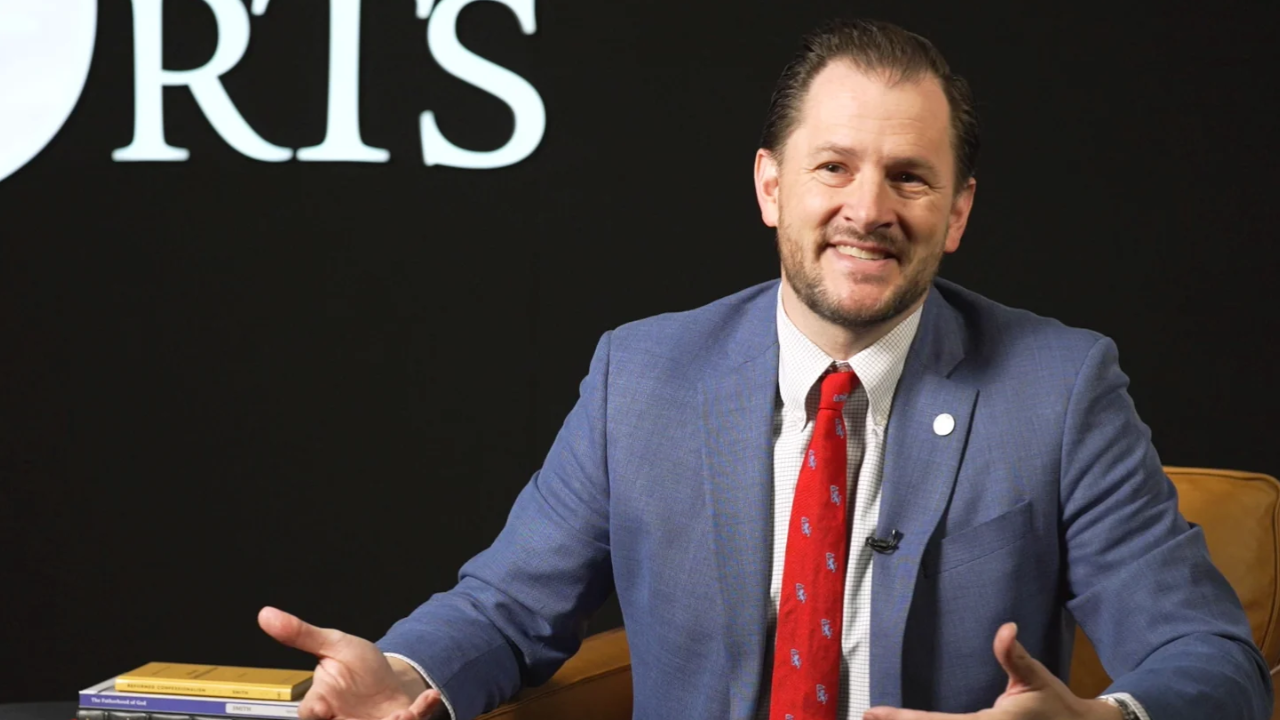
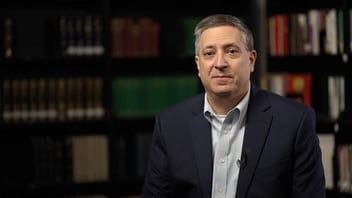
Dr. Blair Smith, President of RTS Charlotte and Professor of Systematic Theology, considers what it means to lead faithfully when we cannot see the immediate results of our work. Drawing from the lives of biblical leaders such as Moses, Jeremiah, Paul, and Abraham, he reminds us that our calling is to follow the Lord, reflect his character, and trust him with the outcome. Though we may not see the fruit of our labor in our own lifetime, God may use our faithful service to bless generations to come.
The following is a transcript of the video above.
What if results are not immediately visible in Christian leadership?
Scripture gives us many examples of leaders who were called first to faithfulness rather than seeing the results of their faithfulness. Moses. Moses took his people, led his people for 40 years throughout the wilderness, and he himself did not get to see them go into the promised land. Jeremiah preached and preached faithfully for decades, but was often met with the stubborn hearts of God's people. If you think of the apostle Paul, he recognized this dynamic when he was writing to the Corinthians, and, and he said, I planted Apollos water. But it's the Lord who gives the results. We are called to faithfulness. The fruit, the results, that is up to the Lord.
Perhaps no one embodies this dynamic more than Abraham. If you think of Abraham's life, he was called out of Ur by God. And as he was called out of er by God In Genesis 12, he was given many soaring promises. That his name would be great, that the Lord would bless him, he would bring a great nation out of him. His descendants would be as the sands on the seashore. And if you think about what of that did Abraham actually get to see? He did eventually see a descendant, but even that he had to wait many decades for he was promised land. But he was often wandering, living in tents, and when his wife died, he actually had to buy a burial plot because he was not a man who owned land. So soaring promises in Abraham's life, which was a life of faithfulness, but it was not necessarily seeing the fulfillment of those promises.
Christian leaders, whether they be in the church or whether they be in the marketplace, what are we called to? Ultimately we are called to faithfulness, to following the Lord's lead, to following his vision for our life, his commands for our life, reflecting his character. I love Hebrews 11 because Hebrews 11 is very honest about the life of Abraham and many other great leaders. In Scripture it says Abraham died in faith, but he saw things from afar and he did not get to see the fulfillment of everything that God had given to him. Sometimes we are given those moments of seeing that fruit from our labors. Other times it is going to be generations after us that are blessed in seeing that. So if you think about leadership, if you think about the leadership God is calling you to, again, it could be in a ministry context, it could be in a marketplace context. You are called to faithfulness in reflecting God's character, where he has planted you, in the plans that you implement, in your teaching, preaching, counseling in the mentees, that you're leading, in the leaders beneath you, that you're seeking to form, but sometimes you're not going to see much at all a fruit of that work. It may be that blessing comes generations after you, and Godly leadership is not so concerned about the immediate results, although we pray for them, and the Bible is not against results. But we are called to rely on the Lord. Trust him that he will bring the results that are in keeping with his will and will bring blessing. And can we be okay as leaders not seeing that ourselves, but trusting to the Lord that that blessing will come for generations to come? We are called to faithfulness. The Lord brings the growth. Let us as leaders walk in faithfulness, reflecting his character and then trusting the results to him and living in the sense like Abraham who looked to the Lord, believed in his promises, but left the ultimate results to the Lord.