In For Us and for Our Salvation, N. Gray Sutanto provides a comprehensive study of humanity created and fallen. Sutanto begins with biblical-theological foundations, then provides a dogmatic synthesis and application to contemporary issues like gender, sexuality, and race.This is a fresh and thorough investigation of what it means to be human and our need for Christ's redemption, written from a confessionally Reformed perspective in dialogue with the historical authorities of the church.
{% module_block module "widget_7ff55503-ed01-4b32-8d60-9f54ea227f8a" %}{% module_attribute "button_text" is_json="true" %}"Purchase"{% end_module_attribute %}{% module_attribute "child_css" is_json="true" %}{}{%...
Neo-Calvinism critically advances Reformed orthodoxy for the sake of modern life. Birthed in the Netherlands at the turn to the twentieth century, initiated by Abraham Kuyper (1837-1920) and Herman Bavinck (1854-1921), it argued that a life before God entailed the leavening of faith over all human existence. While the movement originated in the Netherlands, the tradition now has a global reach, with practitioners and thinkers applying its insights in diverse ways and in their own contexts. This handbook is a genealogical introduction to this lively and modern branch of the
Reformed tradition, with contributors that reflect its global reach. Its four sections chart the theological roots, important original figures, historical contours and...
This Companion to Theologian Herman Bavinck’s Christian Worldview Explores Christianity’s Contributions to Higher Education
After writing his well-known book Christian Worldview, Dutch Calvinist theologian and scholar Herman Bavinck focused his attention on how the Christian faith benefits higher learning, particularly religious studies, natural sciences, and the humanities.
Christianity and Science explores the pros and cons of Christian science and features brief, informative sections on the natural sciences, the humanities, theological science and religious studies, the doctrine of revelation, the benefits of Christianity for scholarship, and what it means to develop a Christian university. Responding to the challenges of the modern...
Discover the rich theology of Neo-Calvinism. Abraham Kuyper and Herman Bavinck sparked a theological tradition in the Netherlands that came to be known as Neo-Calvinism. While studies in Neo-Calvinism have focused primarily on its political and philosophical insights, its theology has received less attention.
In Neo-Calvinism: A Theological Introduction, Cory C. Brock and N. Gray Sutanto present the unique dogmatic contributions of the tradition. Each chapter focuses on a distinct theological aspect, such as revelation, creation, salvation, and ecclesiology. Neo-Calvinism produced rich theological work that yields promise for contemporary dogmatics. This book invites readers into this rich theological trajectory.
{{...
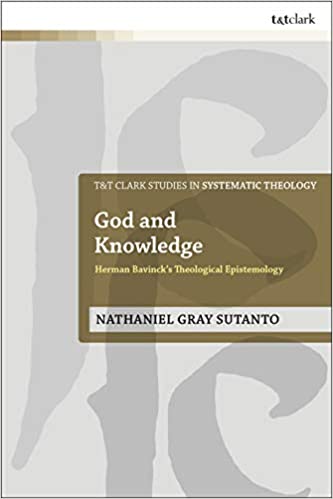
Nathaniel Gray Sutanto offers a fresh reading of Herman Bavinck's theological epistemology, and argues that his Trinitarian and organic worldview utilizes an extensive range of sources. Sutanto unfolds Bavinck's understanding of what he considered to be the two most important aspects of epistemology: the character of the sciences and the correspondence between subjects and objects. Writing at the heels of the European debates in the 19th and 20th century concerning theology's place in the academy, and rooted in historic Christian teachings, Sutanto demonstrates how Bavinck's argument remains fresh and provocative.This volume explores archival material and peripheral works translated for the first time in English. The author re-reads...
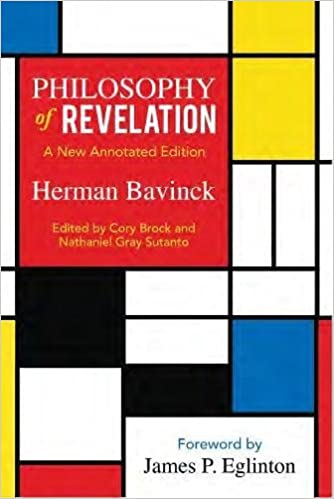
by Herman Bavinck (Author), Nathaniel Gray Sutanto (Editor), Cory Brock (Editor) Dutch theologian Herman Bavinck (1854-1921) is widely celebrated as one of the top theologians in the Reformed tradition, and through the ongoing labor of translation teams, editors, and publishers, his vast writings are being offered anew to English-only readers. This book brings the groundbreaking framework of Bavinck's "organic motif" to the fore in one of Bavinck's most influential works. In the best sense of the title, the modern, yet orthodox Bavinck offers readers here both a philosophy of revelation and a philosophy of revelation. Philosophy of Revelation was originally presented by Bavinck at the Stone Lectures at Princeton Theological Seminary in...