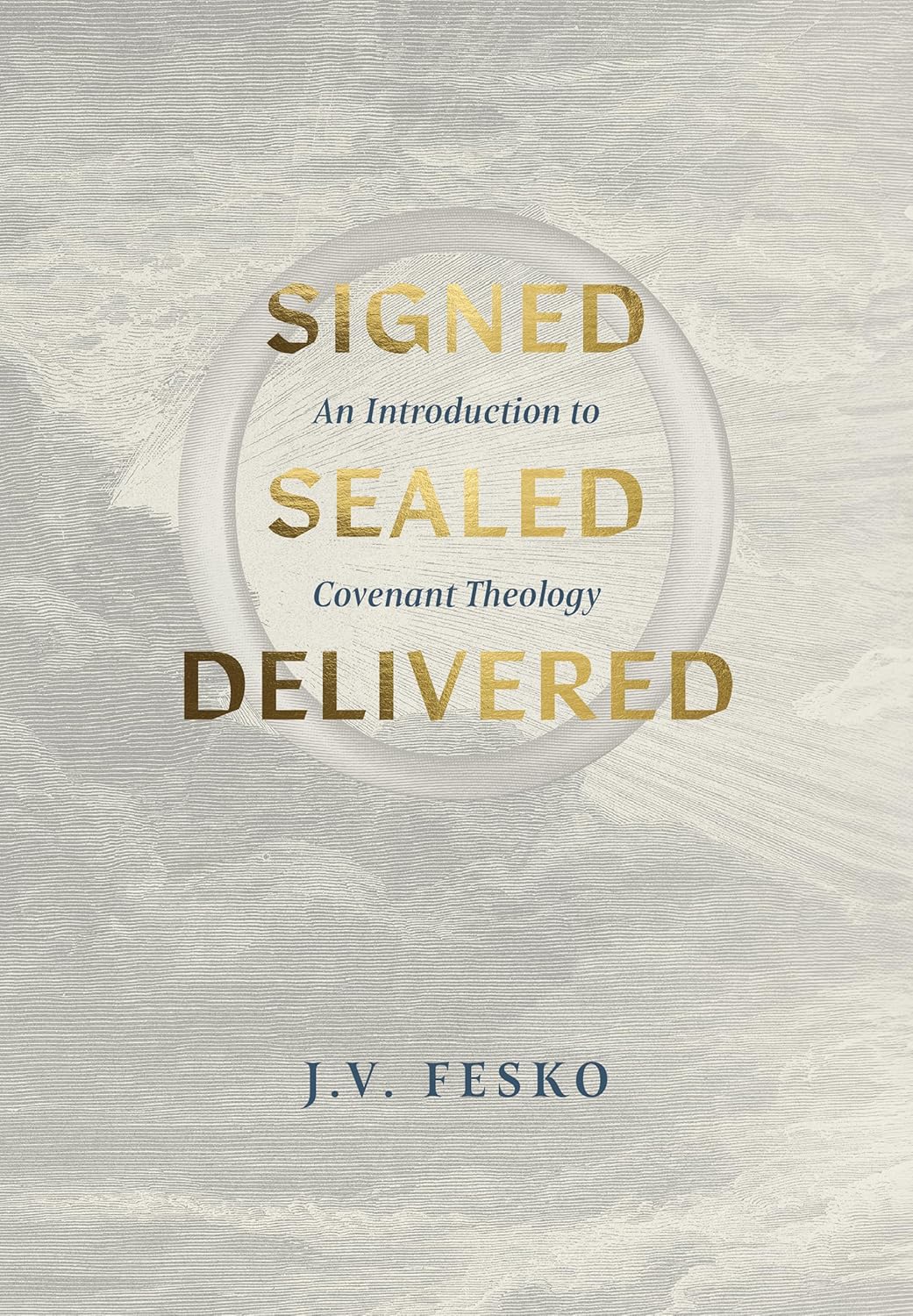
From beginning to end, the Bible reveals God’s gracious plan of salvation. To trace this unfolding plan and to find our place within it, Christians must give careful attention to the covenants God makes in Scripture. In
Signed, Sealed, Delivered, Dr. J.V. Fesko introduces the essential elements of Reformed covenant theology. This classical approach to reading God’s Word shows us how the whole Bible fits together with Jesus Christ at its center. Christians also gain clarity on the continuity of God’s promises to His people throughout history. In this way, covenant theology can hone our focus on the gospel, enrich our understanding of the sacraments, and deepen our love for the church, all to the glory of God.
Having already written four...
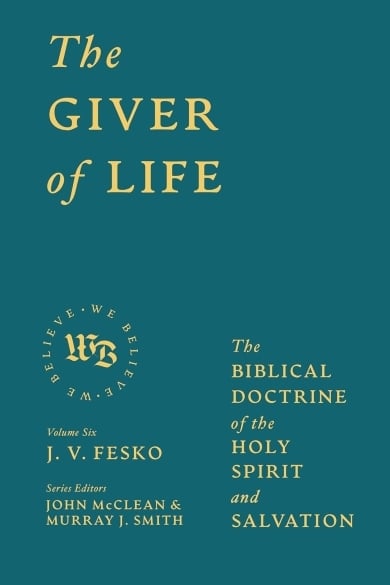
God's Spirit unites believers to Christ, conforms them to his image, and equips them for witness and ministry. In
The Giver of Life, Dr. J.V. Fesko reflects on the person and work of the Holy Spirit in the application of Christ's work for the salvation of sinners. Through a combination of biblical, historical, and theological study, Dr. Fesko illuminates the blessing of God's presence with his people. Written from a confessionally
Reformed perspective in dialogue with the great creeds of the church,
The Giver of Life provides a thorough and trustworthy guide to the Holy Spirit's role in salvation.
What can we do to ensure that we do not distort, dilute, or diminish the truths surrounding Christ’s birth? The simplest answer is to meditate upon the scriptural accounts of Christ’s birth―examine every detail so we can insulate our hearts from the world’s efforts to silence the gospel as well as our own tendencies to forget the reason for the season. This small reflection is a collection of 15 years of preaching with the singular message of not losing sight of the real meaning of the birth of Christ. The Birth of Christ is applicable both during the Christmas season and throughout the year for every Christian to refocus upon Christ―the reason for the season.
So many of us have learned about neo-Calvinism through one thinker such as...
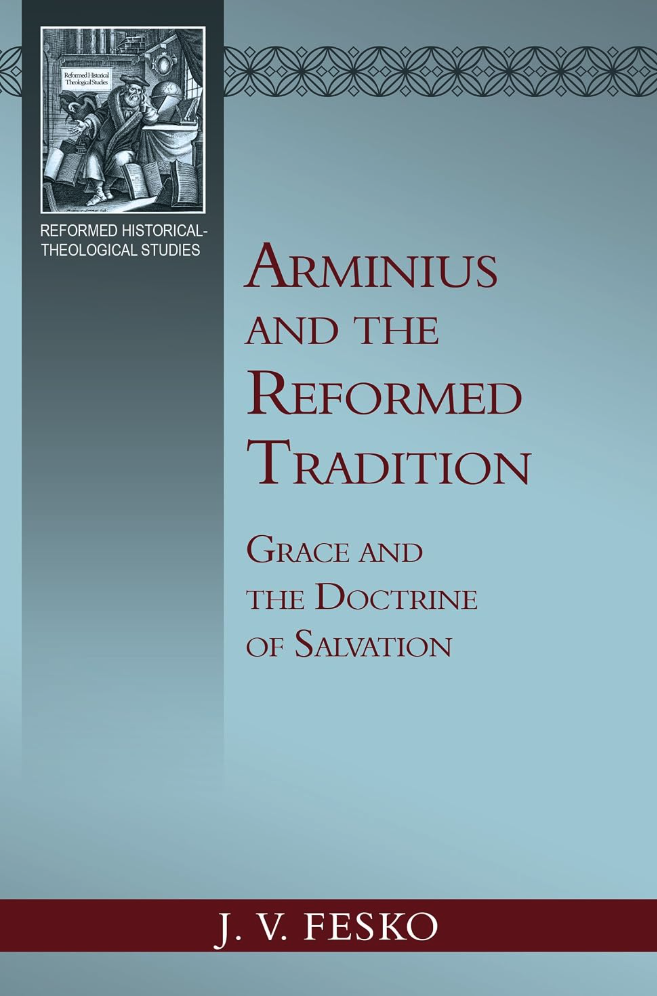
A study of Jacob Arminius's theology that shows how he deviated from the Reformed churches and presented an alternative Protestant conception of salvation.
‘Call the Sabbath a delight,’ bids the Lord (Isa. 58:13), and, in this book, Guy Waters helps us to do just that. Tracing the theological framework and biblical commands for keeping the Sabbath day holy, Waters leads God’s people to recognize this often-misunderstood day as essential for our growth in grace. Thanks to Waters’s accessible writing and thorough exegesis, this book leaves readers with a clear sense of what the Lord commands and a fresh conviction that ‘his commandments are not burdensome’ (1 John 5:3). In a day when Christians talk frequently about the practice of...
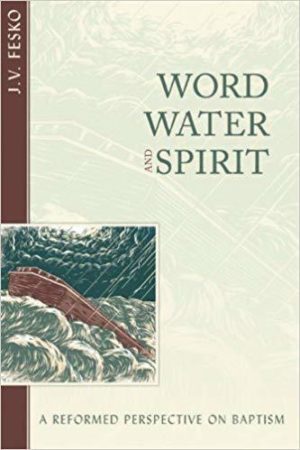
An insightful assessment of Christian baptism as a sign of safe passage through troubled waters.
Table of Contents:PrefacePart I: The History of the DoctrineChapter 1: Baptism in the Patristic Age, Middle Ages, and Counter ReformationChapter 2: Baptism in Luther and LutheranismChapter 3: Baptism in Zwingli and the AnabaptistsChapter 4: Baptism in the Reformed TraditionChapter 5: Baptism in Early Orthodox Reformed TheologyChapter 6: Baptism in High Orthodox Reformed TheologyChapter 7: Baptism in Modern TheologySummary of Part IPart II: Biblical-Theological Survey of the DoctrineChapter 8: Baptism as New CreationChapter 9: Baptism as Covenant JudgmentChapter 10: Baptism as Eschatological JudgmentSummary of Part IIPart III:...
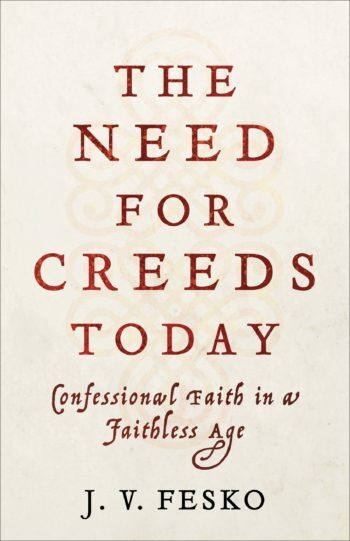
This brief, accessible invitation to the historic creeds and confessions makes a biblical and historical case for their necessity and shows why they are essential for Christian faith and practice today. J. V. Fesko, a leading Reformed theologian with a broad readership in the academy and the church, demonstrates that creeds are not just any human documents but biblically commended resources for the well-being of the church, as long as they remain subordinate to biblical authority. He also explains how the current skepticism and even hostility toward creeds and confessions came about.
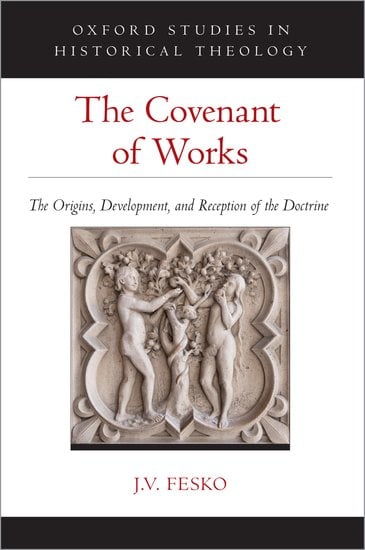
The doctrine of "the covenant of works" arose to prominence in the late sixteenth century and quickly became a regular feature in Reformed thought. Theologians believed that when God first created man he made a covenant with him: all Adam had to do was obey God's command to not eat from the tree of knowledge and obey God's command to be fruitful, multiply, and subdue the earth. The reward for Adam's obedience was profound: eternal life for him and his offspring. The consequences of his disobedience were dire: God would visit death upon Adam and his descendants. In the covenant of works, Adam was not merely an individual but served as a public person, the federal head of the human race.
The Covenant of Works explores the origins of the...